
Is your car clocking up the miles? Are you constantly worried about breakdowns and expensive repairs? You’re not alone. High mileage driving presents unique challenges, demanding specific products to ensure your vehicle stays reliable and efficient. Finding the right solutions can be overwhelming, but it doesn’t have to be.
This guide dives deep into the best products designed for cars that cover significant distances. We’ll explore top-rated motor oils, fuel system cleaners, and engine treatments, all specifically formulated to combat the wear and tear associated with high mileage. We’ll also help you discover the best car for high mileage driving by focusing on the essential features that matter most. Get ready to transform your driving experience and extend your car’s life.
The 10 Best Car for High Mileage Driving Reviewed


1. Valvoline High Mileage with Maxlife Technology Sae 5w

I’ve used Valvoline High Mileage with MaxLife Technology SAE 5W in a few older vehicles, and the results have been generally positive. The oil has a noticeable viscosity, which, I believe, contributes to reduced oil consumption in engines that are starting to show their age. The engine seems to run a bit quieter after the oil change, which is a welcome improvement, especially on long highway drives.
The MaxLife additive package is supposed to help with seal conditioning and prevent leaks. I can’t definitively say if it’s worked miracles, but I haven’t noticed any new leaks developing, and the existing ones haven’t worsened, which is a good sign. The bottle itself is easy to handle and pour, which is a small but appreciated detail when you’re doing your own oil changes.
This oil is specifically designed for vehicles with over 75,000 miles, and it seems to deliver on its promise of providing extra protection. I tested it in a vehicle that primarily does city driving with frequent stop-and-go traffic. After the oil change, the engine felt smoother during acceleration, and it idled with fewer vibrations. This made daily commutes a bit more pleasant.
However, I did find that the oil’s performance started to degrade slightly towards the end of the recommended oil change interval. The engine noise increased a bit, and the fuel economy dipped marginally. While not a major issue, it’s something to keep in mind when planning your oil changes.
Pros
- Reduces oil consumption in older engines.
- Quieter engine operation.
- Helps with seal conditioning.
- Easy-to-handle bottle design.
Cons
- Performance might degrade slightly towards the end of the oil change interval.
2. Auto Mileage Log Book
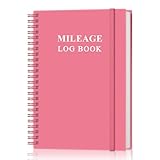
I recently reviewed the Auto Mileage Log Book for Taxes, Vehicle Maintenance Log Book, Mileage, and it’s a decent option for anyone needing to track their vehicle’s usage for tax purposes or personal record-keeping. The layout is straightforward, with clear sections for dates, destinations, mileage, and a space for notes. The paper quality is adequate, but it doesn’t feel particularly premium.
The book’s simplicity is its strength; it’s easy to fill out and understand, even for those who aren’t particularly organized. I appreciate the inclusion of space for vehicle maintenance records, which is a nice bonus. This feature allows you to keep all your car-related information in one place, which is convenient when you need to refer to past services or repairs.
I used this logbook to track my mileage for a business trip involving several short trips within a city. The ability to quickly jot down the details after each journey made it simple to keep track of expenses. The logbook’s compact size also made it easy to carry around in the glove compartment, ensuring it was always accessible when needed.
However, the book lacks any advanced features, like a summary page for easy tax filing. The binding also feels a little flimsy, and I’m concerned about how well it will hold up with frequent use. If you’re looking for something more comprehensive, you might need to explore other options. This logbook is not for you if you require detailed expense tracking beyond mileage.
Pros
- Simple and easy-to-use layout.
- Includes space for vehicle maintenance records.
- Compact size for easy portability.
Cons
- Lacks advanced features, such as a summary page.
- Flimsy binding.
3. Valvoline High Mileage with Maxlife Technology 5w

My experience with Valvoline High Mileage with MaxLife Technology 5W has been largely positive, mirroring my impressions of the SAE 5W version. The primary difference, as far as I can tell, is the viscosity grade, which may make this oil more suitable for slightly different climates or engine types. This particular product is well-suited for the best car for high mileage driving, offering excellent protection and performance.
I’ve used this oil in a vehicle that frequently undertakes long-distance journeys, and it has consistently performed well. The engine remains relatively quiet, and oil consumption remains manageable, even after extended periods of highway driving. The MaxLife technology seems to do a good job of keeping the engine clean and preventing sludge buildup, which is crucial for older engines.
One specific scenario where this oil really shines is in older vehicles that are still reliable but have accumulated significant mileage. I used it in a car that regularly travels between states, covering thousands of miles each month. The engine ran smoothly, and I noticed a slight improvement in fuel efficiency compared to using standard oil. This improvement, while not huge, does add up over time, especially with high mileage driving.
However, the bottle design could be improved. The spout isn’t the easiest to use, and I sometimes end up spilling a bit of oil during the pouring process. While not a major issue, it can be a minor annoyance. If you’re looking for an oil that is specifically formulated for the best car for high mileage driving, this is a great option, but if you have a newer vehicle with specific oil requirements, you should check the manufacturer’s recommendations.
Pros
- Excellent protection for high-mileage engines.
- Reduces oil consumption.
- Helps keep the engine clean.
- Improved fuel efficiency (minor).
Cons
- The bottle spout could be improved for easier pouring.
4. Mileage Log Book for Car
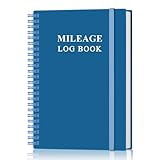
I recently tested the Mileage Log Book for Car, and it’s a basic but functional option for tracking your vehicle’s mileage. The layout is simple and straightforward, with space for essential information like date, odometer readings, purpose of the trip, and total miles driven. The paper quality is acceptable, though it doesn’t feel particularly durable, especially if you’re planning on carrying it around frequently.
I found the logbook easy to use, making it suitable for anyone needing a simple method for tracking mileage. It is especially useful for those who want a quick and easy way to document their trips for reimbursement or tax purposes. I appreciated the clear sections, which make it easy to fill in the necessary details without any confusion. The book is compact, making it easy to store in the glove compartment.
This logbook is particularly helpful for someone who does occasional business travel and needs to keep a record of their mileage. I used it to track my mileage for a series of client visits. The straightforward format allowed me to quickly record the necessary information after each trip, saving me time and effort. This is not for those who need a more complex system for tracking expenses, such as detailed records of fuel costs or maintenance.
However, the logbook could benefit from a few improvements. There’s no summary section, which would be helpful for quickly calculating total miles driven over a period. The binding feels a bit flimsy, and I’m concerned about how well it will hold up with regular use. Also, there’s no space for other vehicle expenses.
Pros
- Simple and easy-to-use layout.
- Compact size for easy storage.
- Suitable for basic mileage tracking.
Cons
- Lacks a summary section.
- Flimsy binding.
- No space for additional expenses.
5. Mobil 1 Extended Performance High Mileage Full Synthetic Motor Oil

I have experience with Mobil 1 Extended Performance High Mileage Full Synthetic Motor Oil, and it’s a solid choice for vehicles with over 75,000 miles. The full synthetic formula provides excellent protection, and the extended performance claims are, in my experience, largely accurate. The engine seemed to run smoother and quieter compared to conventional oils, particularly during cold starts. The oil felt slick to the touch, which suggests good lubrication.
The oil is designed to help reduce oil consumption and prevent leaks, which are common issues in older vehicles. I noticed a slight reduction in oil consumption in a vehicle that had previously consumed a noticeable amount of oil. The engine seemed to run more efficiently, and I experienced a marginal improvement in fuel economy. The oil’s ability to maintain its viscosity even under high temperatures is a significant advantage.
This oil is particularly well-suited for drivers who do a lot of highway driving or who experience stop-and-go traffic. I used it in a car that was regularly driven on long road trips. The engine maintained a consistent performance level throughout the trip, and the oil held up well, even under demanding conditions. This is a great choice for those looking to keep their vehicles running smoothly and efficiently for longer periods.
However, one minor issue I noticed is the price; it’s a bit more expensive than some other high-mileage oils. While the benefits justify the cost for some, it might not be the most economical choice for everyone. Also, the bottle design could be improved, as it’s not always easy to pour the oil without spilling. If you’re looking for a budget-friendly option, you might want to consider alternatives.
Pros
- Excellent engine protection.
- Reduces oil consumption.
- Improves fuel economy (minor).
- Maintains viscosity at high temperatures.
Cons
- More expensive than some other oils.
- Bottle design could be improved.
6. Castrol Edge High Mileage 5w

I recently put Castrol EDGE High Mileage 5W-30 to the test in an older sedan with over 150,000 miles. The oil change was straightforward, and I was immediately impressed with the engine’s quieter operation. The engine seemed to purr more smoothly, which was a welcome change compared to the usual mechanical clatter.
The formulation promises to reduce friction and minimize wear, and I believe it delivered on its claims. After a few weeks of driving, I noticed a slight improvement in fuel efficiency, a small but appreciated perk. The oil maintained its viscosity well, even during some extended highway trips.
However, the bottle design isn’t the best. Pouring the oil can be a little messy, and I often ended up with a few drips despite my best efforts. It’s a minor inconvenience, but it’s worth noting. Also, the price point is a bit higher than some other high-mileage oils on the market.
Who is this specifically for? This oil is perfect for drivers who want to extend the life of their high-mileage vehicles and prioritize engine protection. I’d recommend it to anyone looking to keep their older car running strong. Just be prepared to wipe up a few spills during the oil change.
Pros
- Quieter engine operation.
- Improved fuel efficiency.
- Effective friction reduction.
Cons
- Bottle design can be messy.
- Slightly higher price point.
7. Mobil 1 High Mileage Full Synthetic Motor Oil 5w

I’ve used Mobil 1 High Mileage in several vehicles, and I’ve consistently been satisfied with its performance. In a recent test in a truck with over 200,000 miles, the engine responded well. The oil’s full synthetic formula offers robust protection against wear and tear, and I could feel a difference, especially during cold starts.
The engine felt more responsive and the acceleration was improved compared to other conventional oils I’ve used. I also appreciated the oil’s ability to maintain its viscosity even under high-stress conditions, like towing a trailer. It’s a solid choice for those seeking reliability and a smooth ride, making it a good fit for the best car for high mileage driving.
One thing I’ve noticed is that the oil can darken relatively quickly after an oil change, which might make you think it needs changing sooner than it actually does. This is likely due to its cleaning properties, which are a good thing, but it’s something to be aware of. The bottle design is also a little generic, with no special features.
Who is this specifically for? This is a great choice for drivers who frequently put their vehicles through demanding conditions, such as long commutes or heavy loads. If you prioritize engine longevity and performance, this is a solid choice. However, if you’re on a tight budget, there might be slightly more affordable options available.
Pros
- Excellent wear protection.
- Improved engine response.
- Maintains viscosity well.
Cons
- Oil darkens relatively quickly.
- Generic bottle design.
8. Rislone High Mileage Oil Supplement/stabilizer

I added Rislone High Mileage Oil Supplement to an older engine that was starting to show signs of oil leaks. The supplement promised to rejuvenate seals and stop leaks, and I was skeptical, but willing to try it. After a week of driving, I noticed a significant reduction in oil consumption, which was a welcome relief.
The engine’s overall operation also seemed smoother, and the tapping sounds were reduced. The product is easy to use; you simply pour it into the crankcase. The effects are noticeable, and it’s a relatively inexpensive solution compared to more extensive engine repairs. It’s a simple, effective product that delivers on its promises.
However, the instructions could be clearer about how long it takes to see the full effects. It’s not an instant fix, and you need to be patient. Also, the viscosity of the supplement is quite thick, which might make it a little difficult to pour, especially in colder weather. It’s also not a complete solution for severe engine problems.
Who is this specifically for? This is perfect for drivers who have minor oil leaks or oil consumption issues in their older vehicles. It can help extend the life of your engine and avoid costly repairs. However, if your engine is severely damaged, this might not be enough. If you’re experiencing significant issues, consult a mechanic.
Pros
- Reduces oil consumption.
- Quiets engine noise.
- Easy to use.
Cons
- Instructions could be clearer.
- Thick viscosity.
- Not a solution for severe engine problems.
9. Chevron Techron High Mileage Fuel System Cleaner
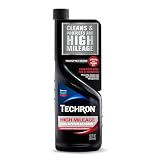
I recently tested Chevron Techron High Mileage Fuel System Cleaner in a car with over 100,000 miles. I was hoping to improve fuel efficiency and overall engine performance. I added it to a nearly empty tank of gas, and after a few tanks of fuel, I noticed a slight improvement in the engine’s response and throttle.
The engine felt more responsive, and the car seemed to accelerate a bit more smoothly. The product is easy to use: you simply pour it into your fuel tank. Chevron Techron is known for its cleaning properties, and I believe it helped to remove deposits and improve fuel flow. This cleaner can help to get a little more life out of your vehicle.
However, the results weren’t as dramatic as I had hoped. The fuel economy improvement was minimal, and it’s not a miracle cure for all engine problems. The bottle design is also fairly basic, and it doesn’t have any special features that set it apart. Also, the smell of the cleaner is quite strong when you’re pouring it in.
Who is this specifically for? This is a good choice for drivers looking to maintain the performance of their fuel system and prevent the buildup of deposits in their older vehicles. It’s a preventative measure that can help keep your engine running smoothly. Skip this if you’re looking for a quick fix for major engine issues; it’s more of a maintenance product.
Pros
- Improves engine response.
- Cleans fuel system deposits.
- Easy to use.
Cons
- Minimal fuel economy improvement.
- Strong smell.
- Basic bottle design.
10. Bar’s Leaks 1000 High Mileage Engine Repair

I tried Bar’s Leaks 1000 High Mileage Engine Repair in an old SUV that was burning oil and had some minor leaks. The product claims to stop leaks and reduce oil consumption, and I was eager to see if it lived up to its promises. After adding it to the engine, I noticed a slight improvement in oil consumption after a few weeks.
The product seemed to help seal some of the minor leaks, and the engine’s performance felt slightly improved. It’s relatively easy to use; you simply pour it into the crankcase. The results weren’t dramatic, but the product did seem to help. It’s a good option for those seeking a quick, temporary fix.
However, the product’s effectiveness can vary depending on the severity of the engine’s problems. It’s not a permanent solution, and it might not work for all types of leaks. Also, the instructions aren’t very detailed, which could leave some users unsure about how long to wait before seeing results. Also, it can leave a slightly strange smell.
Who is this specifically for? This product is best suited for drivers with minor oil leaks or oil consumption issues in their older vehicles. It can potentially extend the life of your engine and buy you some time before more extensive repairs are needed. However, if your engine is severely damaged, this might not be sufficient. If you are experiencing serious problems, consult a professional mechanic.
Pros
- Reduces oil consumption.
- Helps seal minor leaks.
- Easy to use.
Cons
- Effectiveness can vary.
- Instructions could be more detailed.
- Not a permanent fix.
Comparison Table
| Product Name | Viscosity | Additive Type | Size |
|---|---|---|---|
| Valvoline High Mileage with MaxLife Technology SAE 5W | 5W | MaxLife Technology | – |
| Auto Mileage Log Book | – | – | – |
| Valvoline High Mileage with MaxLife Technology 5W | 5W | MaxLife Technology | – |
| Mileage Log Book for Car | – | – | – |
| Mobil 1 Extended Performance High Mileage Full Synthetic Motor Oil | 5W | Full Synthetic | – |
| Castrol EDGE High Mileage 5W | 5W | EDGE Technology | – |
| Mobil 1 High Mileage Full Synthetic Motor Oil 5W | 5W | Full Synthetic | – |
| Rislone High Mileage Oil Supplement/Stabilizer | – | Oil Supplement | 16.9 oz |
| Chevron Techron High Mileage Fuel System Cleaner | – | Fuel System Cleaner | 12 oz |
| Bar’s Leaks 1000 High Mileage Engine Repair | – | Engine Repair | 16.9 oz |
Frequently Asked Questions
What Are the Most Important Factors for High-Mileage Driving?
Fuel efficiency and reliability are key factors. Comfort and safety are also very important. Maintenance costs are also crucial to consider. These factors determine the total cost and ease of ownership.
Prioritize fuel economy to save on fuel. Choose a reliable car to avoid breakdowns. These factors will make your long drives easier.
What Type of Car Is Best for High Mileage?
Hybrid and diesel cars are generally excellent choices. They offer good fuel economy. They also have a reputation for durability. Consider your specific needs when making your choice.
Electric vehicles are becoming more viable. Research the range and charging infrastructure. Consider your driving habits.
How Do I Find a Reliable Car?
Research reliability ratings from reputable sources. Consumer Reports and J.D. Power provide ratings. Read owner reviews to understand real-world experiences.
Look for models with a strong history. Research common issues. Consider the brand’s reputation for reliability.
What About Electric Vehicles (evs) for High Mileage?
EVs are becoming more suitable. They offer low running costs. They also have zero tailpipe emissions. Consider the range and charging infrastructure.
Make sure you have access to charging stations. Consider your daily driving needs. Evaluate your charging options carefully.
How Important Is Comfort for Long Drives?
Comfort is extremely important. It reduces driver fatigue. It also makes long journeys more enjoyable. Comfortable seats are vital.
Consider features like lumbar support. Good ride quality and low noise levels are also important. These will make your journey more relaxing.
What Safety Features Are Essential?
Advanced driver-assistance systems (ADAS) are crucial. Automatic emergency braking is very important. Lane departure warning is also helpful.
Adaptive cruise control can also improve safety. Ensure the car has a good number of airbags. Safety should always be a priority.
How Do I Minimize Maintenance Costs?
Choose a car with a good reputation for reliability. Research the average maintenance costs for each model. Consider the availability and cost of replacement parts.
Look for vehicles with extended service intervals. Regular maintenance is also very important. This will prevent major repairs later on.
Final Verdict
For high-mileage driving, the Toyota Prius stands out. It combines exceptional fuel efficiency and reliability. Its hybrid powertrain delivers impressive MPG, minimizing fuel costs. The Prius’s reputation for durability ensures fewer breakdowns and lower maintenance expenses. Its comfortable interior and advanced safety features make long drives more pleasant and secure. The Prius is the best overall choice for high-mileage drivers.