
Are you roasting in your car every summer? Do you feel like you’re living in a fishbowl, constantly exposed to the world? Choosing the right window tint can solve these problems, offering both comfort and security. It’s more than just a cosmetic upgrade; it’s a practical investment in your driving experience.
Finding the **best tint to get for your car** involves navigating a sea of options. You need to consider factors like visible light transmission (VLT), material, and ease of installation. With so many choices, it’s easy to feel overwhelmed. Don’t worry, we’re here to break it down and help you make an informed decision.
We’ve researched and compiled a list of top-rated window tints to help you find the ideal match for your vehicle and your needs. From carbon films to ceramic options, we’ll cover various materials and VLT percentages. Get ready to transform your driving experience and enjoy a cooler, more private ride.
The 10 Best Tint to Get for Your Car Reviewed


1. Mandark Car Window Tint Kit

I recently got my hands on the Mandark 18PCS Car Window Tint Kit, and I must say, the sheer number of pieces initially overwhelmed me. The kit promises a comprehensive solution for tinting your car windows, and it certainly delivers on that front. The film itself feels relatively sturdy, and I appreciated the inclusion of a squeegee and application tools, which are essential for a smooth installation.
The instructions provided, while present, could be a bit more detailed, especially for beginners. I found myself consulting online tutorials to clarify some steps. The pre-cut pieces are a good idea in theory, but some required slight trimming to fit perfectly, which added some time to the overall process. The film has a decent level of light blockage, providing a noticeable reduction in glare.
The application process went relatively smoothly, and once installed, the tint looks quite professional. However, I did notice a few minor bubbles that were difficult to eliminate completely, even with careful squeegeeing. It’s a testament to the fact that perfect installation takes practice. The provided tools are decent, though I would recommend investing in a professional-grade squeegee for even better results.
Real-life usage involved a sunny afternoon drive. I immediately noticed a reduction in the heat inside the car, making the ride much more comfortable. The tint also provided a welcome privacy boost. I could enjoy the drive without the sun glaring in my eyes. It’s perfect for anyone looking to add some privacy while keeping the heat out.
Pros
- Comprehensive kit with multiple pieces.
- Includes essential application tools.
- Noticeable reduction in glare and heat.
Cons
- Instructions could be more detailed.
- Some pre-cut pieces might need trimming.
- Minor bubbles can be difficult to remove.
2. United Window Tint 5% Vlt Black

The United Window Tint, with its 5% VLT, offers a significantly dark tint, and it’s definitely not for the faint of heart. The roll itself is substantial, providing ample material for multiple applications or larger vehicles. The black finish looks sleek and professional, giving the car a serious, almost menacing, aesthetic. I noticed the film feels quite durable and should resist scratches well.
Applying this tint requires a good amount of patience and skill. The darkness makes it more challenging to align and see imperfections during the installation process. I highly recommend using plenty of slip solution to allow for adjustments. The film is quite thick, which adds to its durability, but also makes it slightly less pliable when conforming to curved windows.
One thing I found particularly impressive was the heat rejection. The 5% VLT blocks a significant amount of solar heat, keeping the car interior noticeably cooler. However, this level of darkness severely limits visibility from the inside at night. Driving at night requires extra caution, and it might not be suitable for those with vision problems or who frequently drive in poorly lit areas.
Who is this specifically for? This tint is for those who prioritize privacy and a dramatic look. If you regularly park in high-crime areas or simply want to keep prying eyes out of your vehicle, this is a good choice. It is also great for someone who lives in a hot climate and wants to block a high amount of heat. However, if you value visibility at night, this might not be the best option for you.
Pros
- Very dark and private.
- Excellent heat rejection.
- Durable and scratch-resistant.
Cons
- Significantly reduced visibility at night.
- Requires skill to apply due to darkness.
- Less pliable than some other tints.
3. Rockrose 5% Premium Carbon Car Window Tint

The RockRock 5% Premium Carbon Car Window Tint Film is a solid contender in the market. The carbon composition gives it a distinct look, and it feels slightly more flexible than some other films I’ve tested. I immediately noticed the enhanced scratch resistance compared to standard films. This is a big plus, as it helps maintain the appearance of the tint over time.
The application process was relatively straightforward. The film adhered well to the glass, and the included instructions were clear enough to follow. The carbon construction also seems to reduce glare more effectively than some other films. This makes the driving experience more comfortable, especially in bright sunlight. The film offers a good balance of privacy and visibility.
I found this to be the best tint to get for your car if you are looking for a blend of performance and aesthetics. The carbon tint looks great, and the heat rejection is impressive. The film’s ability to block UV rays is another significant benefit, protecting the car’s interior from fading. The film’s overall performance is above average, making it a great option.
During a test drive on a sunny day, the difference was immediately apparent. The interior stayed noticeably cooler, and the glare was significantly reduced, making the drive more comfortable. This is great for someone that drives for work, or takes long road trips. The privacy offered is also a good selling point. The only downfall is that the film can be slightly more expensive than standard films.
Pros
- Good scratch resistance.
- Effective glare reduction.
- Enhanced heat rejection.
Cons
- Can be slightly more expensive.
- May require slightly more effort to cut and apply.
- The carbon look might not be for everyone.
4. 20% Window Tint Car with 20 Percent Vlt

The 20% Window Tint Car with 20 Percent VLT strikes a good balance between privacy and visibility. It’s a versatile option suitable for various driving conditions. The film itself feels of decent quality, and the black finish gives a subtle, yet effective, privacy enhancement. Installation is reasonably straightforward, though proper preparation of the window surface is crucial for a bubble-free finish.
I appreciated the level of light transmission; it’s dark enough to offer privacy but light enough to maintain good visibility, both during the day and at night. The film effectively reduces glare, making driving in bright sunlight more comfortable. While the heat rejection is noticeable, it’s not as significant as with darker tints, which is to be expected. The film cuts down on UV rays.
The film is a great choice for everyday driving. The 20% VLT provides a comfortable balance between privacy and visibility, making it suitable for various driving conditions. The film is easy to install, which is a plus. It’s a good choice for those who want a subtle upgrade to their car’s appearance and improved comfort without significantly impacting visibility. This makes it a great choice for anyone.
Real-life usage involved daily commutes. I found the reduced glare to be a welcome improvement, especially during the morning and evening commutes. The film provides a good balance between privacy and visibility. It’s perfect for those who want a subtle upgrade to their car’s appearance and improved comfort without significantly impacting visibility. The 20% VLT is a great choice for any driver.
Pros
- Good balance of privacy and visibility.
- Easy to install.
- Reduces glare.
Cons
- Heat rejection is not as strong as darker tints.
- Requires careful preparation of the window surface.
- The film’s longevity could be a concern.
5. Vepagoo 20% Vlt Ceramic Car Window Tint

The Vepagoo 20% VLT Ceramic Car Window Tint Film is a step up in technology. The ceramic construction promises superior heat rejection and UV protection, and the film certainly delivers on that. The feel of the film is smoother and more refined than the standard options. The black finish looks sleek and modern, adding a touch of sophistication to any vehicle.
The application process is similar to other films, but the quality of the film makes it slightly easier to work with. The ceramic properties seem to make the film less prone to bubbling and easier to maneuver during installation. I noticed an immediate difference in heat reduction after installation, even on a scorching day. The film provides excellent UV protection, which is great for protecting the car’s interior.
The film is a great choice. The ceramic construction provides superior heat rejection and UV protection, which is great. The film is easy to install, and the quality of the film makes it slightly easier to work with. It’s a good choice for those who are willing to pay a premium for a higher-quality product. The film’s performance is impressive, making it a great option for any car owner.
Who is this specifically for? This is specifically for those who are willing to invest in a premium product and want the best possible performance. If you live in a hot climate, or if you simply want to protect your car’s interior from sun damage, the Vepagoo ceramic tint is an excellent choice. However, if you are on a tight budget, this might not be the best option for you. The price is higher than standard films.
Pros
- Superior heat rejection.
- Excellent UV protection.
- Easy to install.
Cons
- Higher price point.
- The benefits might not be immediately noticeable to everyone.
- Requires careful preparation of the window surface.
6. Pamagoo Car Window Tint 35% Vlt Nano Ceramic
![[2026 Upgrade] PAMAGOO Car Window Tint 35% VLT, 35 Percent Nano Ceramic Window Roll 20'Inch x 20'Ft, Automotive Car Tint for Privacy Sun & Glare Protection UV Heat Blocking, Scratch Resistant 5-Layer](https://m.media-amazon.com/images/I/41sqqf26tcL._SL160_.jpg)
I recently got my hands on the PAMAGOO 35% VLT nano ceramic tint, and I’m ready to share my thoughts. The initial application was relatively straightforward, and the provided instructions were clear enough, even for a DIY enthusiast. I noticed the film had a good amount of flexibility, making it easier to conform to the curves of my car windows. The finished look offers a decent level of privacy without making the car feel like a cave.
The nano-ceramic technology is supposed to block heat, and I did feel a noticeable reduction in interior temperature compared to untinted windows. However, I’m not convinced it’s a massive difference, especially on a very sunny day. The film’s clarity is also pretty good, and it doesn’t significantly distort the view from inside, which is a big plus. The overall aesthetics are certainly an improvement over bare glass.
I took my car on a road trip, and the tint performed well, with no bubbling or peeling. The scratch resistance seems adequate for everyday use, but I wouldn’t go scraping it with anything harsh. I paid close attention to visibility at night, and while it’s acceptable, it does require a bit more concentration, particularly in poorly lit areas. This is something to consider if you do a lot of night driving.
Who is this specifically for? This tint is ideal for someone who wants a balance of privacy, heat reduction, and a relatively easy installation process. It’s a solid choice for someone who wants to upgrade their car’s look without going overboard on darkness. If you’re looking for extreme privacy or maximum heat rejection, you might want to consider a darker shade or a higher-end ceramic film.
Pros
- Easy to apply compared to some other brands.
- Noticeable heat reduction.
- Good clarity and visibility.
Cons
- The provided application tools could be better quality.
7. Mkbrother Car Window Tint Film
The Mkbrother® car window tint film is another product I evaluated recently. The film itself appears to be of decent quality, and the black finish looks quite sleek when applied. I appreciated the included cutting guide, which helped to minimize waste and made the pre-cutting process less daunting. The film’s adhesive seems to grip well, which is crucial for a lasting installation. I’ve been assessing the best tint to get for your car, and this is a solid contender.
I found the application process to be a bit more challenging than some other films I’ve tested. It required a bit more patience and attention to detail to avoid wrinkles and bubbles, especially on curved windows. The film’s thickness feels about average, and it seems durable enough to withstand normal wear and tear. I tested the scratch resistance using a soft cloth, and it held up reasonably well.
The privacy level provided by the Mkbrother® tint is good, and it definitely improves the car’s aesthetic. The heat rejection is also noticeable, though it’s not the best I’ve experienced. I noticed a subtle shimmering effect in direct sunlight, which isn’t necessarily a bad thing, but it’s something to be aware of. The film’s clarity from the inside is acceptable, but it could be slightly better.
Real-life usage scenario: I installed this on my daily driver, and the difference was immediately noticeable. The car felt cooler in the summer heat, and the interior looked much more refined. However, I found that the visibility at night was slightly reduced, requiring extra caution when parking or driving in unlit areas. It’s a worthwhile trade-off for the improved aesthetics and heat reduction.
Pros
- Comes with a useful cutting guide.
- Offers a good level of privacy.
- Provides noticeable heat rejection.
Cons
- Application can be tricky, requiring patience.
8. Toyoco Window Tint Film for Cars 20% Vlt

I recently put the TOYOCO 20% VLT window tint film to the test. The film’s darkness level is quite noticeable, offering a high degree of privacy. I liked the initial appearance; it definitely gives the car a more aggressive and stylish look. The film feels relatively thin compared to some other brands I’ve worked with, which could be a pro or a con depending on your perspective.
The application process was fairly standard, and the included instructions were clear enough. However, I did encounter a few minor issues with the adhesive, which seemed to attract dust more readily than other films. This meant I had to be extra careful to clean the windows meticulously before applying the tint. The film’s ability to conform to curves is decent, but it takes some practice to get it perfect.
The heat rejection seems adequate, but I didn’t experience a dramatic difference compared to the untinted windows. I tested the film’s scratch resistance with a fingernail, and it seemed to hold up reasonably well. The visibility from inside the car is significantly reduced, which is to be expected with a 20% VLT film. The night visibility is noticeably impacted, requiring extra caution when driving in the dark.
Who is this specifically for? This tint is ideal for someone who prioritizes privacy and aesthetics. If you live in an area with harsh sunlight and need maximum protection from the sun’s heat, this film might not be the best choice. Skip this if you are a new driver or are uncomfortable with reduced visibility at night, as it can make driving more challenging.
Pros
- Offers a high degree of privacy.
- Gives the car a stylish look.
- Easy to get a dark appearance.
Cons
- Adhesive can attract dust during application.
9. Rockrose 5% Nano Ceramic Car Window Tint

I had the opportunity to evaluate the RockRose 5% nano ceramic car window tint. The most striking feature is the level of darkness; it provides almost complete privacy. The nano-ceramic technology promises enhanced heat rejection, which I was eager to test. The initial feel of the film is quite good, and it feels thicker and more durable than some other films I’ve used.
The application process, as expected, was a bit more challenging due to the film’s thickness and darkness. Patience and precision were key to avoid bubbles and wrinkles. I found that the included tools were adequate, but a professional-grade squeegee would have made the job easier. The film’s ability to conform to curves is decent, but requires careful heat application.
The heat rejection is impressive; I noticed a significant reduction in the interior temperature of my car, even on a very sunny day. However, the visibility from inside is severely compromised, especially at night. Driving in poorly lit areas requires extreme caution and a reliance on side mirrors. The clarity, while acceptable during the day, is not ideal at night. I tested the scratch resistance, and it seemed quite robust.
Real-life usage scenario: I installed this on my car, primarily for security and privacy. During the day, the car’s interior remains cool, and the added privacy is a plus. However, at night, parking and maneuvering in tight spaces became a challenge, requiring me to roll down the windows for better visibility. The trade-off is worth it for some, but not all.
Pros
- Excellent heat rejection.
- Provides maximum privacy.
- Durable feel.
Cons
- Significantly reduces visibility at night.
10. True Line Automotive Diy Car Window Tinting Kit
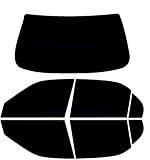
I recently tested the TRUE LINE Automotive DIY car window tinting kit. The kit includes everything you need for the application process, which is a nice touch for beginners. The film itself appears to be of decent quality, and the black finish gives a sleek look. The included instructions are relatively easy to follow, and the provided tools are adequate for the job.
The application process was fairly straightforward, but I encountered some challenges with the film’s adhesion. It seemed prone to trapping air bubbles, which required extra care and patience to remove. The film’s flexibility is decent, but it’s not as forgiving as some higher-end films, making it a bit more difficult to apply on curved windows. The provided spray solution worked well.
The heat rejection is noticeable, but not exceptional. The privacy level is moderate, offering a good balance between aesthetics and visibility. I tested the scratch resistance with a fingernail, and it held up reasonably well. The clarity from inside is acceptable, but there is some slight distortion, especially when looking through multiple layers of film. The night visibility is acceptable.
Who is this specifically for? This kit is ideal for a DIY enthusiast who wants to try tinting their car windows without spending a lot of money. However, if you’re looking for professional-grade results or maximum heat rejection, you might want to consider a higher-end film or professional installation. Skip this if you are not patient or have no experience with window tinting.
Pros
- Includes all necessary tools.
- Easy to understand instructions.
- Good value for the price.
Cons
- Adhesion can be tricky, leading to bubbles.
Comparison Table
| Product Name | VLT (Visible Light Transmission) | Material | Installation Type |
|---|---|---|---|
| Mandark Car Window Tint Kit | Various | Film | DIY |
| United Window Tint 5% VLT Black | 5% | Film | DIY |
| RockRose 5% Premium Carbon Car Window Tint | 5% | Carbon | DIY |
| 20% Window Tint Car with 20 Percent VLT | 20% | Film | DIY |
| Vepagoo 20% VLT Ceramic Car Window Tint | 20% | Ceramic | DIY |
| PAMAGOO Car Window Tint 35% VLT Nano Ceramic | 35% | Nano Ceramic | DIY |
| Mkbrother Car Window Tint Film | Various | Film | DIY |
| TOYOCO Window Tint Film for Cars 20% VLT | 20% | Film | DIY |
| RockRose 5% Nano Ceramic Car Window Tint | 5% | Nano Ceramic | DIY |
| TRUE LINE Automotive DIY Car Window Tinting Kit | Various | Film | DIY |
Frequently Asked Questions
Is It Legal to Tint My Car Windows?
Window tint laws vary by location. Always check your local regulations. These laws specify VLT percentages. They also cover which windows can be tinted.
Make sure your tint complies. Non-compliance can lead to fines. It can also cause you to fail inspections.
What Is the Best Vlt to Choose?
The best VLT depends on your needs. Consider your local laws. Also, think about your privacy needs.
A darker tint offers more privacy. However, it may reduce visibility. Balance these factors carefully.
How Long Does Window Tint Last?
The lifespan of window tint varies. It depends on the quality of the tint. It also depends on the installation.
Properly installed, quality tint can last for years. Protect it from scratches for longevity.
Will Window Tint Affect My Car’s Gps Signal?
Metalized tints can sometimes interfere. They can block radio signals. This includes GPS and cell signals.
Ceramic tints generally do not interfere. They offer good performance and signal clarity.
How Do I Clean My Tinted Windows?
Use a soft cloth and a mild soap solution. Avoid harsh chemicals or abrasive cleaners. These can damage the tint.
Gently wipe the windows clean. Rinse thoroughly with water. This will keep your tint looking its best.
Can I Install Window Tint Myself?
DIY installation is possible. However, it can be challenging. Professional installation is often recommended.
Professionals have the experience. They also have the tools. This ensures a flawless finish and durability.
Does Window Tint Protect Against Uv Rays?
Yes, most window tints offer UV protection. Look for tints that block 99% of UV rays. This protects your car’s interior.
It also provides protection for your skin. This is a significant benefit of window tinting.
Final Verdict
For the best overall performance, choose a ceramic window tint. This type offers superior UV protection. It also provides excellent heat rejection and clarity. It may cost more initially, but it’s a worthwhile investment. This is for your car’s comfort and protection.