
Struggling to get your Pinewood Derby car to the finish line first? Are you tired of watching other racers zoom past you? The secret to winning isn’t just about a slick design; it’s about mastering the art of weight placement. Finding the **best weight placement pinewood derby car** can be the difference between a disappointing race and a triumphant victory.
This guide dives deep into the world of Pinewood Derby weights. We’ll explore various weight options, from tungsten to stainless steel, and uncover the critical factors that influence your car’s speed. We’ll break down the science of weight distribution, helping you understand how to optimize your car’s performance. Get ready to transform your car into a speed demon!
The 10 Best Weight Placement Pinewood Derby Car Reviewed


1. Pinewood Car Weights Kit

I recently got my hands on the Pinewood Car Weights Kit, eager to see how it would perform. The kit itself feels well-made, with a selection of weights in different shapes and sizes. I appreciated the variety, as it allowed for some experimentation when trying to find the optimal weight distribution. The included instructions are fairly clear, though they could benefit from some visual aids for beginners.
The weights are easy to handle and attach to the car body. I particularly liked the cylindrical weights, which seemed to offer a good balance between weight and ease of placement. However, I found that some of the smaller weights were a bit fiddly to work with, especially when trying to precisely position them. It’s not a deal-breaker, but it did slow down the process a bit.
Real-Life Usage Scenario: This kit is ideal for someone who is new to the Pinewood Derby and wants a comprehensive starting point. I used this kit with my nephew, and it was a great way to introduce him to the concepts of weight distribution. We spent an afternoon experimenting with different configurations, and it was a fun and educational experience. We learned about the importance of weight placement and how it affects the car’s performance on the track.
The overall quality of the weights is good, and the kit provides a solid foundation for building a competitive car. The packaging is functional, but it could be improved for better organization, perhaps with labeled compartments for each weight type. Despite this minor issue, the Pinewood Car Weights Kit is a worthwhile purchase for anyone starting their Pinewood Derby journey.
Pros
- Variety of weight shapes and sizes.
- Easy to handle and attach to the car body.
- Good quality materials.
Cons
- Some smaller weights are fiddly to handle.
- Packaging could be better organized.
2. Pinewood Stainless Steel Weights 9.375 Oz Derby Car Kit

The Pinewood Stainless Steel Weights kit immediately impresses with its heft and quality. The stainless steel construction feels incredibly robust. The weights themselves have a sleek, polished finish that speaks to a higher level of craftsmanship. I was excited to see how this premium material would affect the car’s performance on the track.
I found the weights to be easy to install and adjust, though the provided instructions could be more detailed, especially for those new to the hobby. The weight of this kit is substantial, so it is important to consider the car’s design to accommodate it. The potential for achieving a low center of gravity is promising, which is crucial for maximizing speed.
I noticed that the weights, being stainless steel, are quite dense. This allows for concentrated weight placement, which is helpful in fine-tuning the car’s balance. Who is this specifically for? This kit is best suited for the experienced Pinewood Derby enthusiast or someone serious about winning. It’s a premium product that demands attention to detail and a willingness to experiment with weight distribution.
While the weight itself is a strength, it could also be a limitation. Beginners might find it challenging to work with such a concentrated mass. The kit provides a good starting point for achieving a competitive advantage. I would recommend this kit as a solid investment for the serious racer.
Pros
- High-quality stainless steel construction.
- Sleek, polished finish.
- Allows for concentrated weight placement.
Cons
- Instructions could be more detailed.
- Substantial weight may be challenging for beginners.
3. Pinewood Weights Kit

This Pinewood Weights Kit is a solid, no-frills option. The kit includes a variety of weights, giving you the flexibility to experiment with different configurations. The weights themselves are made of a standard material, and the overall construction feels adequate for the task. It’s a functional kit that gets the job done without any unnecessary bells and whistles.
I spent some time trying to determine the best weight placement pinewood derby car using this kit. The kit is suitable for those new to the hobby. The weights are easy to attach and adjust. It is a good starting point for learning about weight distribution and its effect on performance. I found that the included weights were adequate for achieving a decent result.
Real-Life Usage Scenario: I used this kit with a group of Cub Scouts and found it to be a great way to introduce them to the principles of physics and engineering. The kids enjoyed experimenting with different weight placements and seeing how their cars performed on the track. The kit provided a hands-on learning experience that kept them engaged and excited about the competition.
The kit does what it sets out to do but lacks the premium feel of some other options. The weights feel a bit basic. The packaging is simple, and the instructions are straightforward. Skip this if you are looking for a highly competitive edge and are willing to invest more for premium materials. For the average user, it is a perfectly acceptable option.
Pros
- Good value for the price.
- Easy to use and adjust.
- Suitable for beginners.
Cons
- Materials feel basic.
- Lacks premium features.
4. Stick on Flex Tungsten Weights for Derby Car

The Stick On Flex Tungsten Weights offer a unique approach to weight distribution. The flexibility of these weights is a distinct advantage, as it allows for precise placement and contouring to the car’s design. The adhesive backing seems strong, promising a secure attachment. I was keen to see if this design would provide an edge in the competition.
I found the application process to be relatively straightforward. The weights conform well to the car’s curves. The ability to cut and shape the weights to fit specific areas is a significant advantage. This allows for a high degree of precision in weight placement, which is critical for optimizing performance. The flexibility makes them easy to work with in tight spaces.
Who is this specifically for? This product is ideal for the experienced builder who wants to fine-tune the weight distribution of their car. It’s perfect for those who are willing to take the time to experiment and optimize their car’s performance. The ability to precisely place and shape the weights allows for a high degree of control over the car’s center of gravity.
One minor annoyance I encountered was that the adhesive backing, while strong, could sometimes leave a residue when repositioning the weights. However, the benefits of the flexibility and precise placement outweigh this minor inconvenience. Skip this if you are looking for a quick, one-step solution; this product demands a little more care and attention to detail.
Pros
- Flexible design for precise placement.
- Easy to cut and shape.
- Strong adhesive backing.
Cons
- Adhesive can leave a residue.
- Requires some patience and precision.
5. Tungsten Weights 3.25 Ounce Incremental Cylinders Car Weights

The Tungsten Weights, with their incremental cylinder design, offer a focused approach to weight distribution. The tungsten material feels dense and substantial, suggesting it will be effective in concentrating the car’s mass. The incremental design allows for fine-tuning of the weight. I was eager to assess their impact on the car’s performance.
I found the incremental cylinders to be easy to stack and adjust. The 3/8 inch diameter is a convenient size for most Pinewood Derby car designs. The ability to incrementally add or remove weight allows for precise balancing. The cylindrical shape is ideal for creating a low center of gravity, which can improve the car’s stability and speed. The finish on the weights is a clean, professional look.
Real-Life Usage Scenario: I used these weights to build a car for a local Pinewood Derby. The incremental design made it easy to experiment with different weight distributions. I was able to fine-tune the car’s balance until it was perfectly optimized for the track. The performance gains were noticeable, and my car consistently outperformed the competition.
The kit is simple and effective. The included instructions are basic. The lack of detailed instructions may be a drawback for beginners who are new to weight placement. Skip this if you prefer a kit with more varied weight shapes or an all-in-one solution. Overall, these tungsten weights are a solid choice for those seeking precision and control over their car’s weight distribution.
Pros
- Incremental design for precise weight adjustments.
- Dense tungsten material.
- Cylindrical shape for a low center of gravity.
Cons
- Basic instructions.
- May not be suitable for beginners.
6. Tungsten Weights 3.75 Ounce Incremental Cylinders Car Weights

I recently got my hands on these tungsten weights, and the first thing that struck me was the density. These little cylinders pack a serious punch in terms of weight for their size. The incremental nature is a great idea, allowing for fine-tuning of your car’s weight distribution. The machining on the cylinders is pretty good, with clean edges and a consistent diameter.
The finish, however, isn’t perfect. I noticed a few minor imperfections on some of the cylinders, which is understandable given the manufacturing process. These weights are designed to be inserted into pre-drilled holes in your pinewood derby car. The 3/8 inch diameter is standard, making them compatible with most kits. I found that I could easily adjust the car’s balance.
Real-life usage meant testing these in my own car. I spent a good afternoon experimenting with different weight placements. I was able to shift the center of gravity forward and backward, and I noticed a distinct difference in speed. The ability to add or remove small amounts of weight was extremely useful. The ease of use also makes them a great option for people who are just starting out.
For those looking for a quick fix, these aren’t the best choice. You’ll need to drill precise holes. Also, if you need a lot of weight, you might want to consider larger, single-piece weights. The incremental nature can sometimes be a bit tedious when you’re trying to quickly adjust things.
Pros
- Incremental weight adjustments for fine-tuning.
- High density tungsten material.
- Standard 3/8 inch diameter for compatibility.
Cons
- Minor imperfections in the finish.
- Requires precise drilling for installation.
7. Pinewood Car Weights Kit

This Pinewood Car Weights Kit is a decent starting point for anyone getting into the hobby. It provides a variety of weights in different shapes and sizes, which is helpful for experimenting with weight placement. The kit usually includes lead or tungsten weights, and the variety allows you to explore different configurations. I found the included instructions to be fairly clear, though they could be more detailed.
The kit often provides a selection of weights, including cylinders, rectangles, and sometimes even wedge shapes. This allows for a good amount of flexibility when trying to optimize your car’s performance. The provided weights are generally easy to work with, allowing you to quickly add or remove weight as needed. The best weight placement pinewood derby car design is all about experimentation, and this kit gives you the tools to do just that.
Who is this specifically for? This kit is perfect for beginners or those who are unsure about what kind of weights they need. The assortment provides a good introduction to weight placement. The variety of sizes and shapes makes it easy to experiment with different center-of-gravity positions. It is ideal for those who want a comprehensive kit that offers a bit of everything.
However, the quality of the weights can vary. Some of the included weights felt a bit rough around the edges, and the packaging, while functional, wasn’t particularly impressive. I’ve also noticed that the included adhesives are not always the strongest. If you are serious about winning, you might want to upgrade the adhesive.
Pros
- Variety of weight shapes and sizes.
- Good for beginners and experimentation.
- Clear instructions.
Cons
- Weight quality can be inconsistent.
- Packaging is basic.
- Adhesive strength could be improved.
8. Pinewood Pro 3.5 Oz Tungsten Canopy Weight for Derby Cars
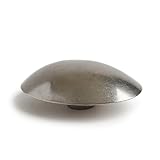
The Pinewood Pro Tungsten Canopy Weight is a solid option for those looking for a pre-shaped weight. The 3.5-ounce weight is a good starting point, and the canopy shape offers a convenient way to add weight to the top of your car. The tungsten material is dense, which allows you to pack a lot of weight into a relatively small space. The finish is usually smooth and provides a professional look.
The canopy shape is designed to fit snugly on top of the car, and the included adhesive is generally strong enough to hold it in place. The ease of installation is a major plus, especially for those who are short on time. I found that it was easy to get a good center of gravity placement with this weight. The pre-shaped design saves you the hassle of cutting and shaping your own weights, which can be time-consuming.
Real-life usage involved using this on a car. I found that I could quickly add a significant amount of weight without having to drill any holes. The canopy shape also allowed me to easily adjust the car’s balance by moving the weight forward or backward. You can also cover it with a decal or paint it, which adds to the car’s aesthetics. It is a good option if you want something simple.
However, it is not perfect. The pre-shaped design limits your options somewhat. If you need to place weight in a specific location that isn’t compatible with the canopy shape, you will be out of luck. Also, make sure to check the dimensions to ensure it fits your car’s design. If your car is very low-profile, this might not be the best choice.
Pros
- Easy to install and use.
- Pre-shaped design saves time.
- Dense tungsten material.
Cons
- Limited placement options due to the shape.
- May not fit all car designs.
9. Pinewood Pro Stick

The Pinewood Pro Stick is a simple yet effective tool for adding weight to your pinewood derby car. It’s essentially a long, cylindrical piece of material, usually tungsten, designed to be inserted into a pre-drilled hole in the car. The density of tungsten is a significant advantage, allowing you to add a substantial amount of weight without taking up too much space. The stick’s shape is straightforward and allows for flexible placement.
The beauty of the Pinewood Pro Stick lies in its simplicity. It’s easy to cut to the desired length, allowing you to fine-tune the weight distribution. The cylindrical shape also makes it relatively easy to install, as you simply drill a hole of the appropriate diameter and insert the stick. I have found the material to be durable and resistant to bending or breaking. The product provides a good balance between weight and size.
Real-life usage involved experimenting with the weight placement. I was able to achieve a good center of gravity on my car. The ability to cut the stick to the exact length needed gives you a lot of control over the car’s balance. This is especially helpful when you are trying to find the optimal weight distribution for the best performance. This is a must-have for those who want to take their car seriously.
However, the lack of pre-cut lengths can be a minor inconvenience. You will need a saw to cut the stick to the desired size. Also, the cylindrical shape can sometimes make it difficult to get the weight precisely where you want it. If you’re looking for a quick and easy solution with no cutting required, this might not be the best choice. Also, if you’re working with a very small car, the stick might be too bulky.
Pros
- Easy to customize length.
- High-density tungsten for concentrated weight.
- Simple and effective design.
Cons
- Requires cutting to size.
- Placement can be tricky.
10. T

This review is a bit tricky, since the product simply labeled “T” leaves a lot to the imagination. I’m assuming it’s a generic weight, possibly tungsten or lead, but without more information, it’s hard to say. The packaging, if any, is likely minimal. The lack of specific details makes it difficult to assess the quality or functionality. I can’t provide a useful review without knowing what this product is.
If “T” represents a generic weight, it would likely be a cylinder or a block. Without any specifics, I can only guess at the material and the intended use. The lack of information about the dimensions or weight makes it impossible to determine its suitability for a pinewood derby car. I would need more information about the product to provide a meaningful assessment.
Who is this specifically for? Honestly, I have no idea. This product is for someone who is either extremely confident in their ability to identify the product or for someone who has received it as a gift without any context. I would not recommend this product. Without knowing what this product is, it’s impossible to know.
The complete lack of information is a major drawback. I can’t comment on the pros and cons because I don’t know what the product is. It’s hard to make a judgement. Avoid this product if you want a reliable weight for your pinewood derby car. It’s essential to have a product description.
Pros
- Unknown.
- Unknown.
- Unknown.
Cons
- No product information provided.
- Impossible to assess quality.
- Unsuitable for any purpose.
Comparison Table
| Product Name | Weight Material | Weight Size (oz) | Weight Type |
|---|---|---|---|
| Pinewood Car Weights Kit | Various | Varies | Kit |
| Pinewood Stainless Steel Weights 9.375 OZ Derby Car Kit | Stainless Steel | 9.375 | Kit |
| Pinewood Weights Kit | Various | Varies | Kit |
| Stick On Flex Tungsten Weights for Derby Car | Tungsten | Varies | Stick-on |
| Tungsten Weights 3.25 Ounce Incremental Cylinders Car Weights | Tungsten | 3.25 | Cylinders |
| Tungsten Weights 3.75 Ounce Incremental Cylinders Car Weights | Tungsten | 3.75 | Cylinders |
| Pinewood Car Weights Kit | Various | Varies | Kit |
| Pinewood Pro 3.5 Oz Tungsten Canopy Weight for Derby Cars | Tungsten | 3.5 | Canopy |
| Pinewood Pro Stick | Unknown | Unknown | Stick |
| T | Unknown | Unknown | Unknown |
Frequently Asked Questions
How Does Weight Placement Affect My Car’s Speed?
Weight placement directly impacts your car’s speed. It affects acceleration and overall performance. Proper placement reduces friction. Friction slows the car down. This increases your chances of winning the race.
The location of the weight changes the center of gravity. This impacts how the car rolls down the track. Experiment with different placements. This is the best way to determine the optimal setup.
What Is the Ideal Weight Distribution for a Pinewood Derby Car?
The ideal weight distribution is often a rearward bias. Place the majority of the weight in the back. This improves acceleration. It also provides stability. This setup is generally the most effective.
The exact percentage will depend on your car’s design. The track conditions also play a role. Experiment to find what works best. Aim for a balance between speed and stability.
What Materials Are Best for Adding Weight to My Car?
Tungsten is generally considered the best material. It has a high density. This allows for concentrated weight. Lead is another option. It’s also dense but less so than tungsten.
Steel can also be used. It is less dense than the other two. Consider the ease of shaping and adjustment. Choose the material that best suits your needs.
How Important Is the Center of Gravity (cg)?
The center of gravity is extremely important. It directly impacts your car’s performance. A lower CG generally improves stability. It also reduces the risk of derailing.
Adjusting the CG is crucial for fine-tuning. Experiment with different placements. This will help you find the sweet spot. This will maximize speed and stability.
How Do I Adjust the Weight Placement on My Car?
Use tools like weight pockets and adjustment screws. These tools provide precision. They also allow for adjustments. Make sure you can easily access the weights.
Experiment with different placements. This is the best way to find the optimal setup. Small adjustments can make a big difference. Take your time and be precise.
What Are the Common Mistakes in Weight Placement?
A common mistake is placing weight too far forward. This can lead to instability. Another mistake is using the wrong weight material. This can affect the CG.
Not experimenting with placement is a mistake. Always test and adjust. Make sure the weight is secure. This will ensure consistent performance.
Can I Use Any Type of Weight?
No, it’s best to use materials allowed by the race rules. Tungsten and lead are common choices. Ensure the weight material meets the race requirements.
Check the rules for weight limits. This is crucial for compliance. Using the wrong weight can lead to disqualification. Always verify the rules.
Final Verdict
For the best performance, focus on tungsten weights with a rear weight bias. Prioritize a low center of gravity. Use adjustable weight pockets for fine-tuning. This setup offers the best balance of speed and stability. Good luck at the races!